
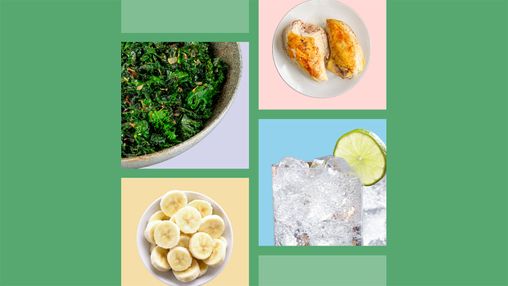
Introduction:
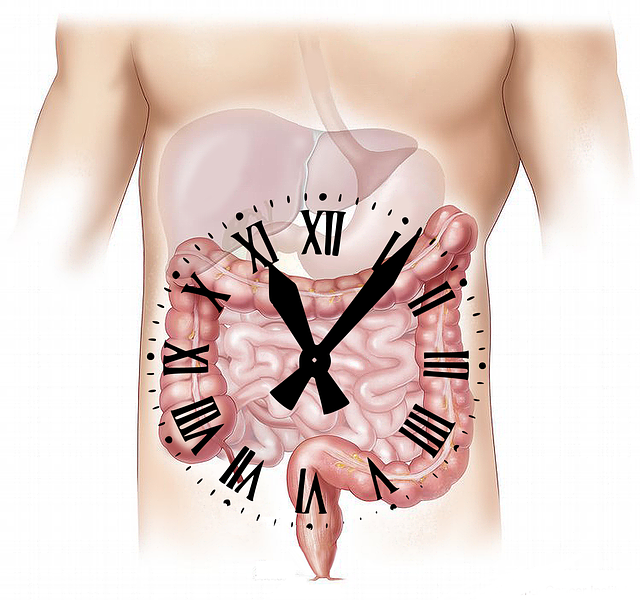
Digestive health and body comfort is the proper functioning of your digestive system, which smashes food, absorbs nutrients, and eliminates waste. Digestive problems like acid reflux, celiac disease, irritable bowel syndrome (IBS), or inflammatory bowel disease (IBD) can disturb digestion, mostly causing belly pain, bowel changes like constipation or diarrhea, and other symptoms specific to the condition. Treatment is of different types based on the specific condition and may include dietary changes, medication, or, in some cases, surgical procedures. Eating healthy food and a diverse diet will nourish the bacteria in the gut, which help you process waste and support good digestive health.
In this specific article, I will give information about digestive health.
Struggling With Digestion? What to Eat and What to Avoid for Digestive Health:
A perfect and balanced diet keeps the gut healthy and provides a broad range of foods and nutrients. But some foods can affect digestive symptoms, especially if you have certain health conditions.
The foods to avoid if you have digestive health symptoms (such as bloating, constipation, diarrhea, or heartburn), what to eat instead, and when to see a doctor. natural remedies for digestion.
Foods That Are Hard to Digest (And What to Eat Instead):
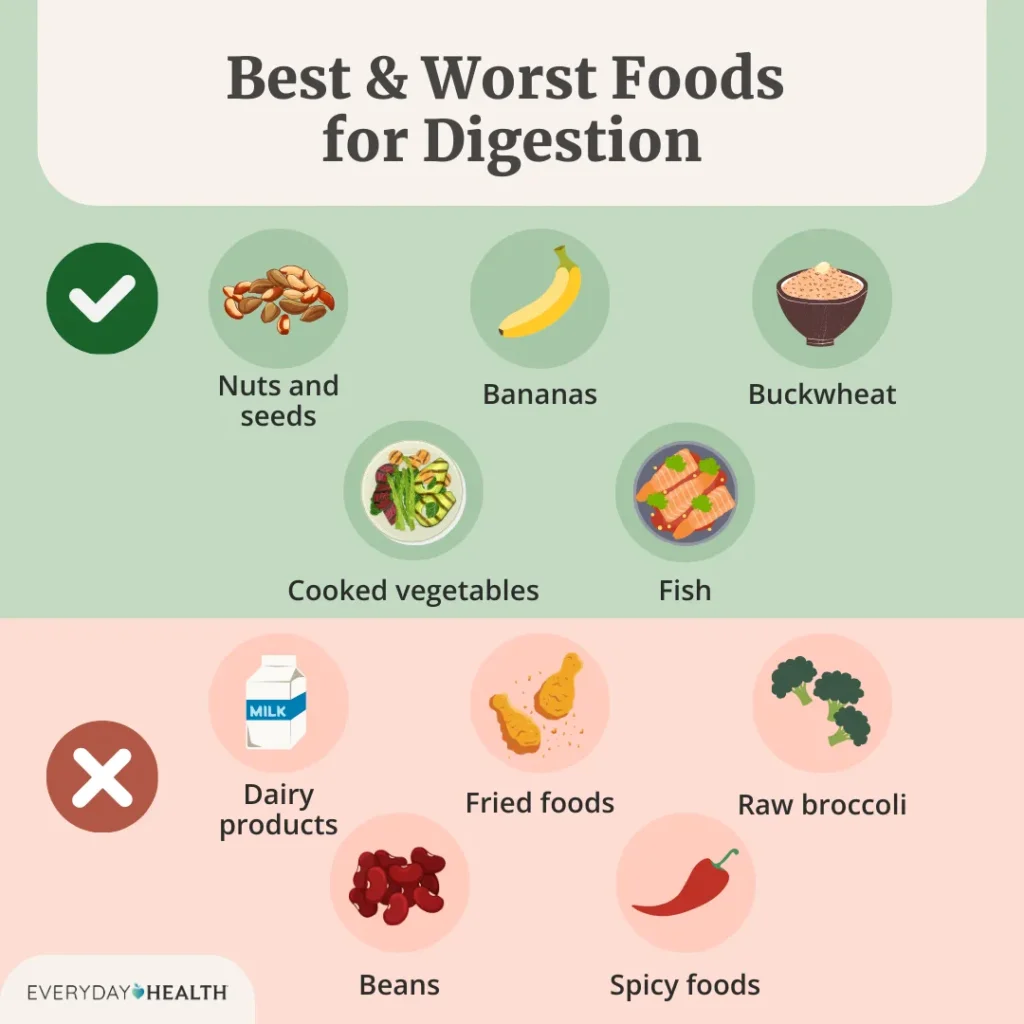
Here are the following foods that are to be the most challenging to digest, causing symptoms like gas, bloating, acid reflux (heartburn), diarrhea, constipation, and nausea.
Some of them may cause digestive symptoms in those who have no known health problems. Others, like foods containing gluten or lactose, are linked to dietary sensitivities or digestive issues.
Dairy Foods: Some people have gas problems, bloating, and diarrhea when they eat dairy foods. It often happens due to lactose intolerance, which is the inability to digest lactose, a sugar found in milk and dairy foods. Digestive health wellness: In a healthy gut, the small intestine makes a natural compound called lactase to break down lactose. But some people don’t make enough lactase, causing lactose to stay in the gut instead of being absorbed by the body. At the end, the lactose travels to the large intestine (colon), where bacteria break down the undigested sugars, causing gas. The large intestine also produces more fluid to help the undigested sugar molecules pass through, causing diarrhea, gas, and bloating
What to Eat Instead. Because dairy foods are good sources of bone building nutrients like calcium and vitamin D, the experts recommend including them in small amounts even if you’re lactose intolerant. People with lactose intolerance still can handle a certain amount of lactose before experiencing symptoms. Try using small servings of milk (about 1 cup) with meals and keep noting how you feel afterward. Also, remember that yogurts and hard cheeses have less lactose than other dairy foods, and are friendlier to the gut.
However, some low-lactose and lactose free milk products can provide you with calcium and vitamin D without the symptoms of lactose intolerance. digestive health.
Fried and Other High-Fat Foods: High-fat foods remain for long in the stomach, which makes them more likely to trigger acid reflux (when stomach contents rise into the esophagus). Because fats can be harder for the body to break down, using them in high amounts can create bloating and gas. It can also cause the colon to produce more liquid, making stools loose and watery.
What to Eat Instead: Avoid fatty, fried foods with thin meats that are grilled, boiled, baked, or poached. Also, opt for nuts and seeds, avocados, olive oil, and fish, which offer healthy fats that tend to be more gut friendly.
Powerhouse vegetables: Powerhouse vegetables, like broccoli, cabbage, kale, radish, and mustard greens, are good sources of fiber, making them an important part of a healthy diet. However, as a complex carbohydrate, fiber can cause digestive problems like gas and bloating when you eat high amounts. When you eat Powerhouse vegetables, the fiber remains intact as it passes through the stomach and small intestine and into the colon. Once inside the colon, microbes feed on the fiber, creating gas.
What to Eat Instead: Powerhouse vegetables give us many health benefits, and most people shouldn’t cut them out of their diet. Instead, try boiling, sautéing, or roasting these vegetables to make them easier to digest. If you’re temporarily avoiding high fiber foods, opt for lower fiber vegetables, like carrots, mushrooms, and cooked green beans. digestive health.
Ultra-Processed Foods: Ultra processed foods (UPFs) are foods that have significantly changed from their natural status. Thus, they often have high amounts of added sugar, starch, oil, and fat to make them more delicious. UPFs also tend to have artificial flavors, colors, and preservatives to extend their shelf life. Mostly these UPFs include fast food, salty snacks, cookies, cakes, frozen meals, and soft drinks. while the research shows that eating a diet high in UPFs is associated with greater odds of constipation than eating mostly unprocessed or minimally processed foods. The reason may be that UPFs typically contain less fiber than their minimally processed counterparts. One study found that the more UPFs you eat, the less fiber you’re likely to get in a day. And getting enough fiber every day is crucial for keeping stool moving through your digestive system to prevent constipation.
What to Eat Instead: Cooking meals from scratch whenever possible and prioritizing whole foods like fruits, vegetables, and whole grain products can help you stay on top of fiber intake. Check ingredient lists to make sure food manufacturers have included minimal additives or preservatives and have placed natural ingredients at the top of the list. digestive health.
Caffeinated Foods and Drinks: Caffeine, an energy boosting compound in coffee and tea, can stimulate gastrointestinal motility (the movement of food through the digestive tract), making contents move more quickly through your system. This faster movement can cause diarrhea, especially if you drink more than two or three cups of coffee or tea daily.
Thanks to its effects on motility, caffeine is also a common trigger for IBS symptoms like stomach pain and diarrhea. Research shows that high levels of caffeine consumption are closed linked to more severe IBS symptoms, especially for females and people with overweight or obesity
What to Eat Instead: If caffeine upsets your stomach or causes IBS symptoms, try caffeine-free versions of your favorite beverages or search for caffeine alternatives. Dr. Lara recommends protein shakes with a higher dose of amino acids for an energy boost that may replace caffeine. digestive health.
Conclusion:
Taking care of your digestive health starts with making informed food choices. While certain foods like dairy, fried items, and ultra-processed snacks can trigger uncomfortable symptoms such as bloating, gas, and constipation, there are plenty of gut-friendly alternatives available. By choosing lean proteins, healthy fats, properly cooked vegetables, and whole foods rich in fiber, you can support your digestive system and improve overall wellness. Remember that everyone’s digestive system is unique—what works for one person may not work for another. If you continue experiencing persistent digestive issues despite dietary changes, consult with a healthcare professional to rule out underlying conditions like IBS, IBD, or food intolerances. Start small, listen to your body, and make gradual adjustments to discover what helps you feel your best. best foods for digestive health.
FAQs:
1. What are the worst foods for digestive health?
Fried and high-fat foods, ultra-processed snacks, excessive dairy (if lactose intolerant), and caffeinated beverages can trigger digestive issues like bloating, gas, diarrhea, and acid reflux.
2. How can I improve my digestive health naturally?
Focus on whole foods, include fiber-rich vegetables, choose lean proteins, stay hydrated, and limit ultra-processed foods. Cooking vegetables rather than eating them raw can also aid digestion.
3. Why do cruciferous vegetables cause gas?
Cruciferous vegetables contain complex fiber that remains undigested until it reaches the colon, where gut bacteria break it down, producing gas as a byproduct.
4. Can I eat dairy if I’m lactose intolerant?
Yes, in small amounts. Try consuming about 1 cup of milk with meals, or opt for yogurt and hard cheeses, which contain less lactose. Lactose-free alternatives are also available.
5. How much fiber should I eat for good digestion and digestive health?
Most adults need 25-35 grams of fiber daily. Gradually increase fiber intake and drink plenty of water to prevent constipation and support healthy digestion.
6. When should I see a doctor about digestive issues?
Consult a healthcare provider if you experience persistent symptoms like severe pain, blood in stool, unexplained weight loss, chronic diarrhea or constipation, or symptoms that interfere with daily life.


Если вы готовите поездку в Таиланд, рекомендуется заранее определиться, какой остров подобрать — Пхукет или Самуи. Самуи прославлен своими красивыми пляжами, и на карте Таиланда просто найти отличные пляжи Самуи, которые идеально подойдут для размеренного отдыха. Для тех, кто изучает историей, уместно вспомнить про цунами в Таиланде 2004 года: на Пхукете и Самуи по сей день можно ознакомиться с фото и рассказы, связанные с этим событием.
При сборах к поездке считаю нужным изучить детали обмена валюты на Пхукете и сколько денег брать в Таиланд на 10 дней, а также ознакомиться с правила въезда в страну в 2025 году. Для туристов будет важна информация об аренде байка на Пхукете — это удобный способ путешествия. Подробности, включая карту Таиланда с островами и tips по маршрутам, можно увидеть здесь сколько денег брать в паттайю на 10 дней 2025 .
Планируя отдых в Таиланде, значительная часть задаются вопросом, сколько стоит туристическая путёвка в Тайланд и сколько денег планировать на 10 дней в 2025 году. Величина цены путёвки варьируется в зависимости от сезона — лучше всего ехать на Пхукет или Самуи в сухой сезон, когда погода отличная и экскурсии, охватывая трансфер Пхукет–Самуи, осуществляются без проблем. На Патонге рекомендую посетить рынок и магазины, а также оценить экзотические фрукты Таиланда, которые в это время сезонны.
Для туристов важно знать, как перемещаться в аэропорту Пхукета и где конвертировать деньги — самый оптимальный обменник зачастую находится рядом с главных торговых центров на Патонге. Если прельщают экскурсии и массаж в Таиланде, то Пхукет открывает множество вариантов на разный вкус. Все советы и практичную информацию можно найти здесь: массажные салоны пхукет . Безопасно ли в Таиланде и что увидеть в Бангкоке за 2 дня — аналогично такие вопросы дискутируются часто, так что форум только приветствует ваши рецензии и вопросы.